We have to stop talking about housing as if it exists separately from economic development.

Housing affects all of these:
When teachers, nurses, first responders, nonprofit workers, and working families cannot afford to live in the communities they serve, the entire ecosystem feels the strain.
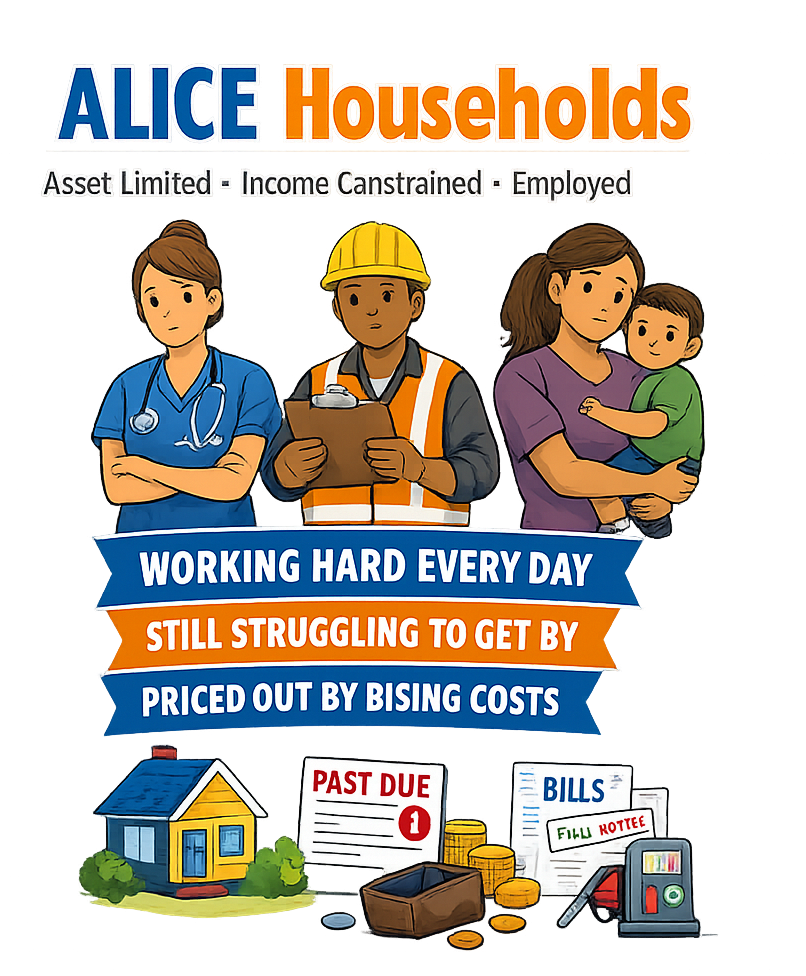
This is especially true for A.L.I.C.E. households: Asset Limited, Income Constrained, Employed.
Families who are working hard every day, often doing everything "right", yet still struggling to remain financially stable in communities where the cost of living continues to rise faster than wages.
This conversation is personal for me.
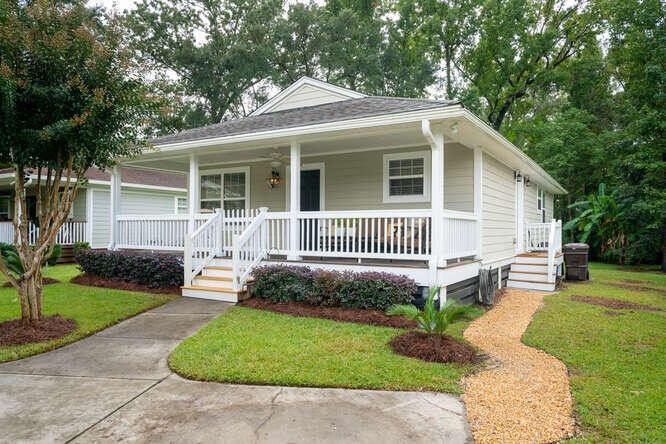
Years ago, I became a Habitat homeowner through Habitat for Humanity during a season of life when stable housing completely changed the trajectory of my future. (check out my cute little house below 🙂)
What that home provided was far more than shelter.
It created stability.
Predictability.
Breathing room.
The ability to think beyond immediate survival.
And when families are no longer consumed by instability, they are better able to pursue education, advance professionally, support thier children consistently, engage in their communities, and plan for the future.
Housing is not a side issue.
It is connected to nearly every major community outcome we care about.
The communities that thrive long term will be the ones that recognize housing as foundational infrastructure - not simply a social service issue.
We also have to challenge the narrative that affordable housing somehow brings "bad people" into communities.
Too often, affordable housing conversations are driven by fear, assumption, and sterotypes instead of reality.
The truth is, affordable housing serves the people already holding communities together.
- Teachers
- Healthcare workers
- First responders
- Nonprofit staff
- Retail workers
- Hospitality employees
- Young professionals
- Seniors on fixed incomes
- Single parents working multiple jobs (this was me until I was placed in affordable housing which allowed me to be a better parent too)
In many communities, these are the very people being priced out of the places they serve every day.
Affordable housing is not about lowering the quality of a community.
It is about ensuring a community remains accessible, economically sustainable, and connected across generation and income levels.
Strong communities are not built by excluding working families.
They are build by creating places where people can live with stability, dignity, opportunity, and belonging.